 English
 Pусский
 Français
 Español
 Portugues
 Deutsch
 lingua italiana
 العربية
 Melayu
 Filipino
 Монгол хэл
 dansk
dansk Bahasa indonesia
 日本語
日本語 한국어
한국어 Türk dili
 Tiếng Việt
 svenska
 Nederlands
 Norsk språk
How to Select OPTO-EDU Polarizing Microscope?
|
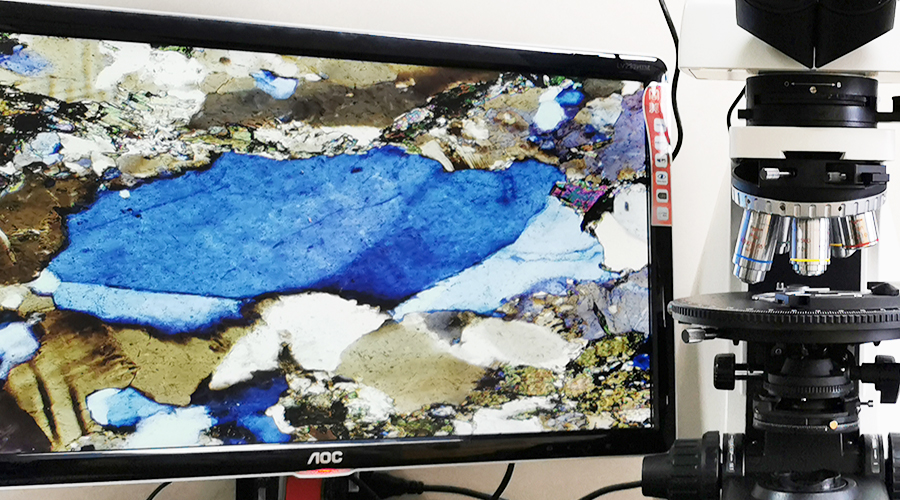
What is Polarizing Microscope? Polarizing microscope, also referred to as petrology or geology microscopes. Polarizing light is used with either transmitted and/or reflected light to view chemicals, rocks and minerals. When viewing rocks and minerals, thin sections of the sample are mounted on a slide for examination. General magnification 40x-1000x. It is used for the identification of biological and non-biological materials, such as starch property identification, pharmaceutical composition identification, fiber, liquid crystal, DNA crystal, etc. Medical analysis, such as stones, uric acid crystal detection, arthritis, and mineral analysis. |
|
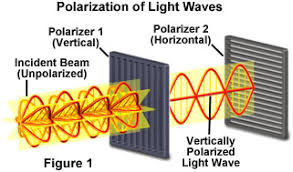
Polarized light microscopy can mean any of a number of optical microscope techniques involving polarized light. Simple techniques include illumination of the sample with polarized light. Directly transmitted light can, optionally, be blocked with a polariser orientated at 90 degrees to the illumination. Scientists will often use a device called a polarizing plate to convert natural light into polarized light.These illumination techniques are most commonly used on birefringent samples where the polarized light interacts strongly with the sample and generates contrast with the background. Polarized light microscopy is used extensively in optical mineralogy. Generally, polarizing microscope includes a polarizing device (polarizer and analyzer) and a round stage. Professional grade models will have Bertrand lens, quartz wedges , strain free objective lenses, and center-adjustable condenser lenses. Retical Eyepiece incorporates a cross-line reticle which is useful for making measurements as well as segmenting the specimens you are examining. |

|
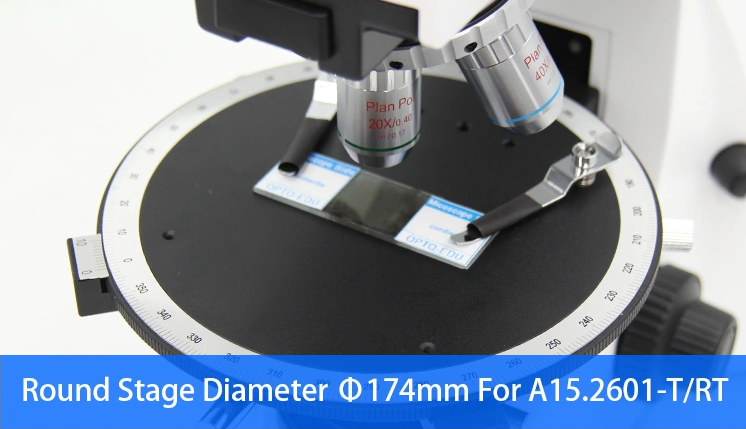
Components of Polarizing Microscope One of the primary purposes of a polarizing microscope is to pick up differences in the optical path of the object you are studying, allowing you to gather more data on absorption color and optical path boundaries of the specimen. This is enhanced through the use of Compensator and Retardation Plates as well as a Polarizer in the substage, an Analyzer between head and body. Strain Free Objectives and Strain Free Condensers are specially made and selected without inclusions to enrich image contrast and improve the quality of interference reflection by reducing disturbances at the glass-air interfaces. ● Round Working Stage - A 360-degree circular rotating specimen stage to facilitate orientation studies with centration of the objectives and stage with the microscope optical axis to make the center of rotation coincide with the center of the field of view. Many stages designed for polarized light microscopy also contain a vernier scale so that rotation angle can be measured to an accuracy of 0.1 degree. For advanced studies of conoscopic images, a universal stage having multiple axes of rotation can also be employed to enable observation of the specimen from any direction. |
|
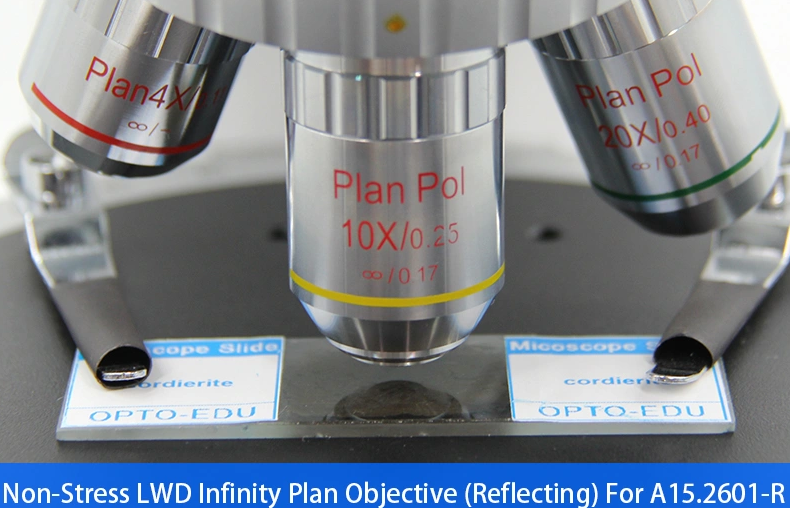
● Strain Free Objectives - Stress introduced into the glass of an objective during assembly can produce spurious optical effects under polarized light, a factor that could compromise performance. Objectives designed for polarized light observation are distinguished from ordinary objectives with the inscription P, PO, or Pol on the barrel. The performance of an objective is limited by several factors, including the anti-reflection coatings used on lens surfaces, and the refractive properties due to angle of incident light on the front lens. In addition, lens strain can be introduced at the cement junction between elements in a lens group or from a single or group of lenses that has been mounted too tightly in the frame. |
|
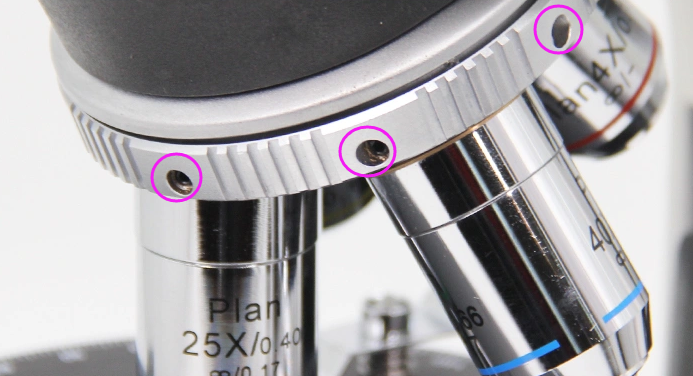
● Centerable Revolving Nosepiece - Because the objective optical axis position varies from one assembly to another, many polarized light microscopes are equipped with a specialized nosepiece that contains a centering mechanism for individual objectives. This enables each objective to be centered with respect to the stage and microscope optical axis so that specimen features remain in the center of the viewfield when the stage is rotated through 360 degrees. |
|
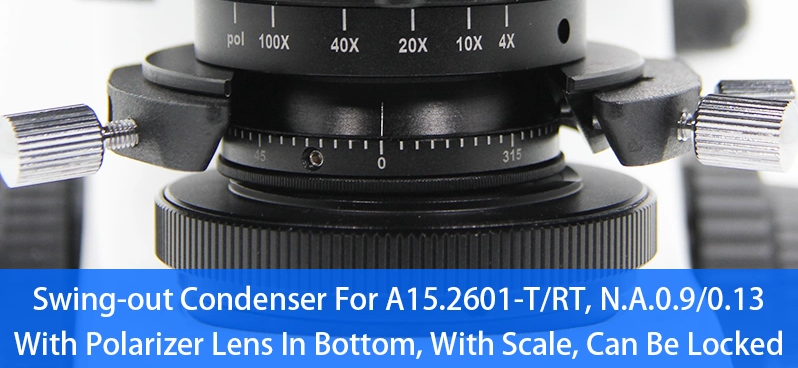
● Strain Free Condenser - Condensers designed for polarized light microscopy have several features in common, including the use of strain free lenses. Some condensers are equipped with a receptacle for the polarizer or have the polarizing element mounted directly into the condenser, beneath the aperture diaphragm. Many polarized light condensers have a top lens that can be removed (a swing-lens condenser) from the light path to generate nearly parallel illumination wavefronts for low magnification and birefringence observations. |
|
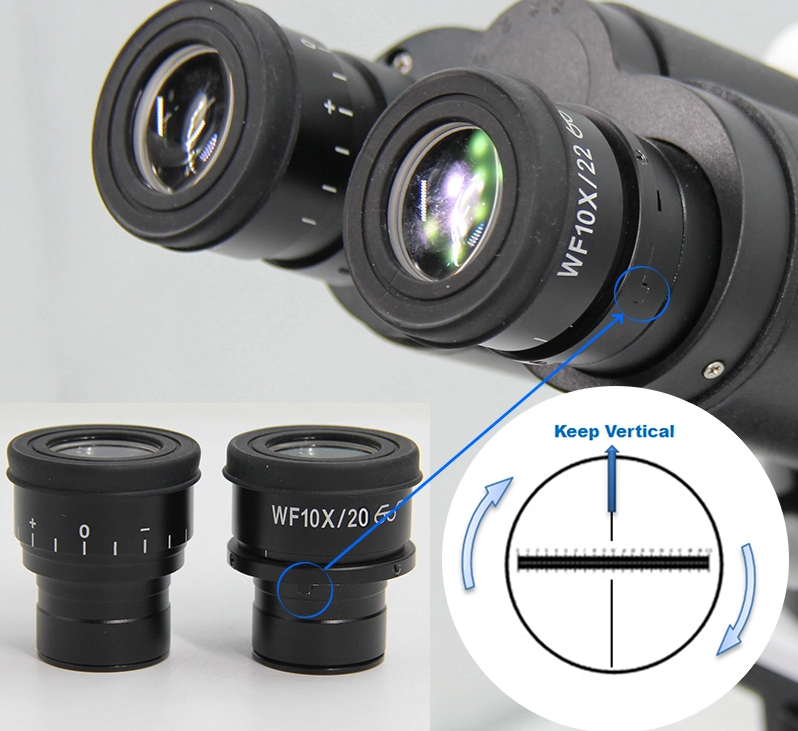
● Eyepieces - Polarized light microscope eyepieces are fitted with a cross wire reticle (or graticule) to mark the center of the field of view. Often, the cross wire reticle is substituted for a photomicrography reticle that assists in focusing the specimen and composing images with a set of frames bounding the area of the viewfield to be captured either digitally or onto film. Orientation of the eyepiece with respect to the polarizer and analyzer is guaranteed by a point pin that slides into the observation tube sleeve. |
|
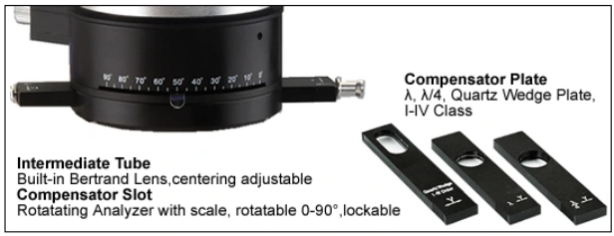
● Compensator and Retardation Plates - Many polarized light microscopes contain a slot to allow the insertion of compensators and/or retardation plates between the crossed polarizers, which are used to enhance optical path differences in the specimen. In most modern microscope designs, this slot is placed either in the microscope nosepiece or an intermediate tube positioned between the body and eyepiece tubes. Compensation plates inserted into the slot are then situated between the specimen and the analyzer. |
|
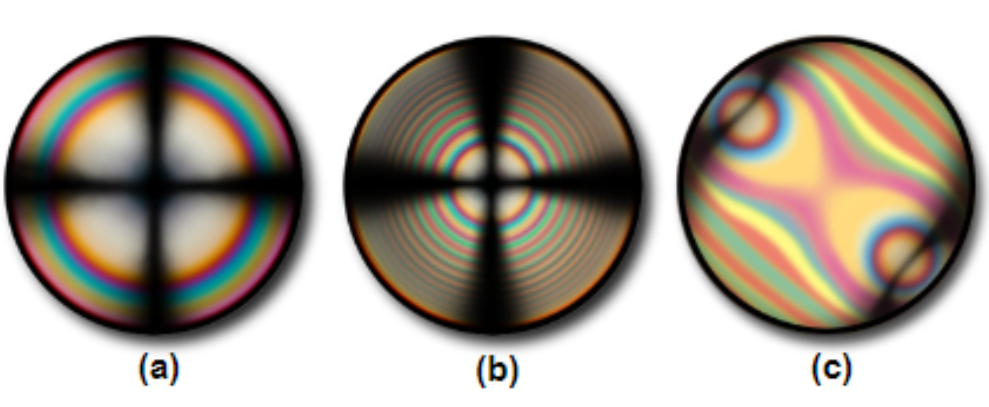
● Bertrand Lens - A specialized lens mounted in an intermediate tube or within the observation tubes, a Bertrand lens projects an interference pattern formed at the objective rear focal plane into focus at the microscope image plane. The lens is designed to enable easy examination of the objective rear focal plane, to allow accurate adjustment of the illuminating aperture diaphragm and to view interference figures, similar to the ones presented in the image below. Note that in (a) and (b), the interference patterns represent those observed with a uniaxial crystal in polarized light, while the pattern in (c) is typical of a uniaxial crystal with a first order retardation plate inserted into the optical pathway. |
|
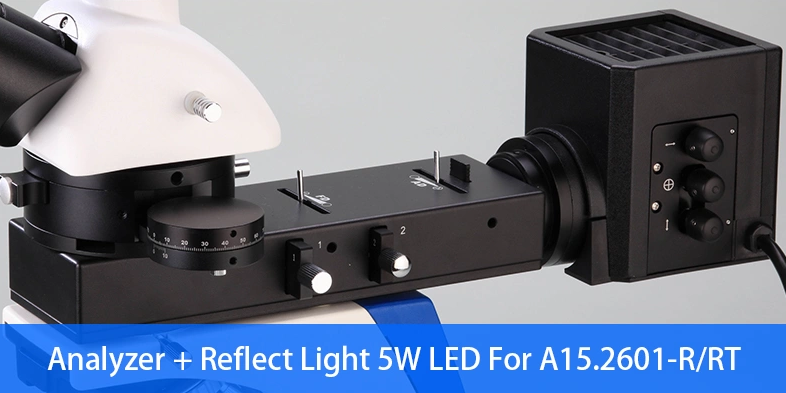
● Polarized light microscopy can be used both with Reflected (incident or EPI) and Transmitted Light. Reflected light is useful for the study of opaque materials such as ceramics, mineral oxides and sulfides, metals, alloys, composites, and silicon wafers. Reflected light techniques require a dedicated set of objectives that have not been corrected for viewing through the cover glass, and those for polarizing work should also be strain free. |
|
How to Select A15 series is Polarizing Microscope in Opto-Edu microscopes range. Click here A15 to see all the polarizing microscopes. Here below are some of the most popular models recommended for different level users: |
|
● Entry Level ● |
|
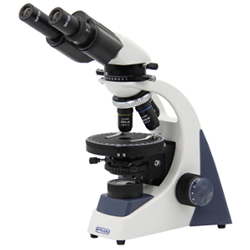
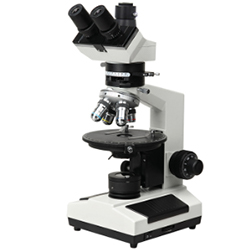
A15.1302-B Polarizing Microscope, Binocular ● Economical Polarizing Microscope With Full Polarizing Function ● Round Stage Dia.120mm 360° Rotatable Minimum 6' Scale ● Polarizer On Light Collector 360° Rotatable ● Analyzer Medium Unit With Optical Compensator λ Slip (First Class Red), 1/4λ Slip ● Transmit Light 1W LED Brightness Adjustable |
|
|
|
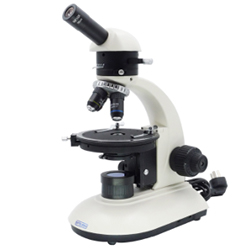
A15.2604 Polarizing Microscope, Monocular, Achromatic ● Transmit Polarizing Microscope With 12V20W Halogen Illumination ● Strain-free Achromatic Objective 4x,10x,20x,40x, 60x Optional ● Strain-free Abbe N.A.1.25, Iris Diaphragm, With Polarizer Lens In Bottom ● Round Stage Diameter Φ142mm, Rotatable 360°, Can Be Locked ● Professional Analyzer Media Unit With Bertrand Lens, λ, λ/4 Slip, Quartz Wedge |
|
A15.1017-T Polarizing Microscope ● Outward Quadruple Nosepiece, Center Adjustable ● Strain Free Achromatic Objective 4x,10x,40x For Polarizing View ● Round Stage Dia.160mm, 360° Rotatable Center Adjustable ● Polarizer On Collector, Can Switch Out Of Light Path ● Analyizer Unit With Bertrand Lens, λ Slip, 1/4λ Slip, Quartz Wedge |
|
|
● Middle Level ● |
|
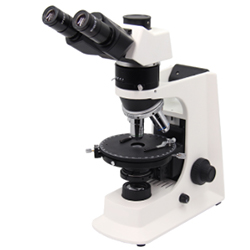
A15.2603-B Polarizing Microscope, Transmit, Trinocular ● Transmit 5W LED Illumination + Center Adjustable Quadruple Nosepiece ● Non-Stress Infinity Plan Objective 4x,10x,20x,40x,60x,100x Optional ● Non-Stress Abbe N.A.1.25 Condenser, Center Adjustable With Polarizer Lens In Bottom ● Round Stage Diameter Dia.142mm, Can Be Locked And Center Adjustable ● Professional Analyzer Media Unit With Bertrand Lens, λ, λ/4 Slip, Quartz Wedge. |
|
|
|
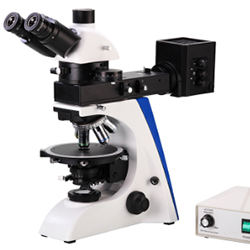
A15.2601-RTT Polarizing Microscope, Reflect & Transmit Light, Trinocular ● Transmit & Reflect 5W LED Illumination + Swing Out Condenser N.A. 0.9/0.13 Center Adjustable ● Head & Eyepiece With Joint Move Design To Keep Right Side Eyepiece's Cross Direction ● Professional Polarizing Non-Stress LWD Infinity Plan Objective (Transmitting & Reflecting) ● Professional Polarizing Lens, Analyzer With Bertrand Lens, λ, λ/4 Slip, Quartz Wedge. ● Powered By Safety Low Voltage Charger, Input Wide Voltage 100V-240V, Output 5V1A, For Outdoor Use |
|
● High Level ● |
|
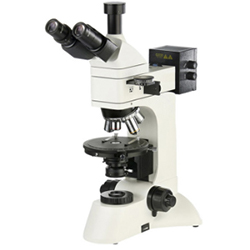
A15.0204-B Polarizing Microscope, Transmit & Reflect Light ● Trinocular Head Inclination 30° Light Split 100% For Low Light Photography ● Infinity Plan LWD Strain-free Objective For Professional Polarizing View ● Double Layer Round Stage, 360° Rotatable, Diameter 150mm ● Polarizer, Analyzer With Bertrand Lens, λ, λ/4 And Quarts Wedge Compensator ● Transmit & Reflect Light 6V30W Halogen With Field & Aperture Diaphragm |
|
|
|
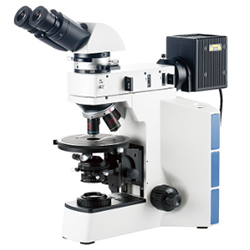
A15.0908-RT Polarizing Microscope, Reflect & Transmit Light ● Infinity Color Corrected Optical System ● Pluggable Analyzer, 360° Rotatable, 2° Increments, Precision 6', With Locking Device ● Circular Metal Stage Dia.160mm, Graphite Coating, 360° Rotatable, 1° Increment, Precision 6′ ● Reflected Light, 12V/50W Halogen Lamp House, Imported Bulb, Center presetting, ● Transmitted Light, 12V/50W Halogen Lamp House, Imported Bulb, Center Presetting |
|
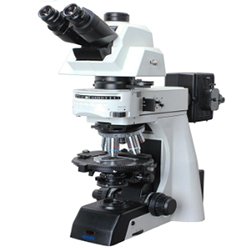
A15.1091-TR Polarizing Microscope, Semi-APO, Transmit & Reflect Light ● Research Level Polarizing Microscope, Manual, Transmit/Reflect, Semi-APO ● Extra Wide Eyepiece EW10x/25mm Dia.30mm Diopter Adjustable With Lock Pin ● Quintuple Nosepiece Center Adjustable, NIS60 Infinity Plan Strainless Semi-APO PL5x10x20x50x100x ● Round Stage Dia.190mm, With Attachable Moving Stage Range 30x30mm ● Transmit ECO Kohler Illumination 12V100W Halogen, Reflect 12V100W Halogen |
|
|
For any further questions or inquires about polarizing microscopes, you are welcome to contact us at [email protected]. We will be happy to assist in selecting the Best Suit model! Written By Lisa, 2022-12 |
|



 Huang Xin